


Live-in care vs care homes: Which is right for your loved one in Barnet and…
Read
Enquire now to find out more about our tailored visiting and live-in care packages for your loved one.
Enquire nowWhen it comes to nutrition and hydration, small everyday choices can help older people stay stronger, safer and more independent at home

As a loved one gets older, nutrition, hydration and fall prevention become increasingly important. Everyday essentials like eating well and drinking enough water can have a bigger impact than you might realise. Good nutrition and regular hydration help maintain strength, energy, concentration and balance – all of which play an important role in reducing the risk of falls and helping older people stay safe and independent at home.
As people get older, they may be more vulnerable to dehydration because the body’s thirst signals can become less noticeable. Not drinking enough can quickly affect how someone feels and moves, with even mild dehydration potentially causing:
These symptoms can make everyday activities – getting up from a chair, walking to the bathroom or moving around the home – more difficult and increase the risk of a fall.
A simple solution can make a real difference. Keeping a drink within easy reach and offering fluids regularly can help an older person stay hydrated, alert and steady throughout the day.
Food provides the energy and nutrients the body needs to stay strong. A balanced diet containing protein, vitamins and minerals can help support muscle strength, bone health and steady energy levels. As people get older, eating less can sometimes lead to a gradual loss of strength and confidence, making everyday movement more difficult and increasing the risk of trips and falls.
Small, consistent habits can make a meaningful difference to an older person’s health, strength and safety:
If you notice sudden or ongoing changes in eating, drinking, strength, balance or cognition, speak to a GP or other healthcare professional.
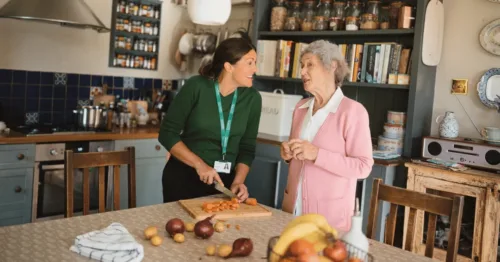
For many older people, being able to remain at home is closely connected to their dignity, confidence and quality of life. Simple daily habits – eating a nourishing meal, drinking enough fluids, staying gently active and having supportive company – can help create a routine that promotes safety and independence.
At GoodOaks Homecare Watford, we take a whole-person approach to care. From practical support with everyday routines to compassionate companionship, it’s often the small, consistent things that make the biggest difference to helping someone feel safe, supported and independent at home.
Could your loved one benefit from a little extra support at home? Our friendly team is here to help. Get in touch with GoodOaks Homecare Watford today to discuss your care needs and find out how we can support you and your family.