


Winter loneliness in older people: Supporting parents in Horsham and Crawley
Read
Enquire now to find out more about our tailored visiting and live-in care packages for your loved one.
Enquire nowWinter can be a particularly lonely time for older people, as colder weather and shorter days make it harder to get out, see friends and stay connected.

Winter loneliness in older people can become more noticeable as shorter days and colder weather make it harder to get out and about, particularly for older parents living in Horsham and Crawley.
If you’re an adult son or daughter, you may already be wondering whether your mum or dad is spending too much time alone. Perhaps they have stopped going to activities they once enjoyed, are finding it harder to leave the house or simply seem quieter than usual.
The good news is that small, regular changes can make a meaningful difference. From arranging more frequent family visits to considering companionship and homecare in Horsham and Crawley, there are practical ways to help an older loved one feel more connected throughout winter.
Winter loneliness in older people isn’t simply about spending time alone. Someone can live independently, have regular contact with family and still feel lonely if they are missing meaningful social connection.
Winter can make this more noticeable. Poor weather may discourage trips to the shops, visits with friends or attendance at local groups. If mobility has become more difficult, an older person may also feel less confident about going out without support.
For families who live busy lives, this can be particularly difficult. You may want to visit more often but have work, children and other responsibilities to manage.
Recognising that your parent may be feeling lonely is an important first step. From there, small changes to their routine can help them feel more connected and supported.
Every person is different, and loneliness doesn’t always look the same. You might notice that your parent:
None of these signs necessarily means your parent is lonely. They could have other explanations, too.
However, if you notice a change, it can be a good reason to have a gentle conversation and ask how they are really feeling.
There are practical ways to address winter loneliness in older people, and you don’t have to make major changes overnight. Often, creating regular opportunities for connection is more valuable than arranging occasional big outings.
The most important thing is to find out what your parent actually enjoys and what would make their days feel more positive.
A quick phone call can help, but regular face-to-face contact can be particularly valuable.
If you cannot visit frequently, consider creating a predictable routine. A Sunday lunch, midweek coffee or regular video call can give your parent something to look forward to.
You could also ask other family members or trusted friends to get involved. Spreading visits across the week means one person doesn’t have to take responsibility for everything.
Even a short visit can make a difference when someone has spent much of the day alone.
Winter can be a good opportunity to revisit hobbies your parent has enjoyed in the past.
Reading, crafts, puzzles, music, cooking, gardening indoors or looking through family photographs can all provide structure and enjoyment.
Try to focus on what your parent enjoys rather than introducing activities simply because you think they should be doing more.
For older people in Horsham and Crawley, staying connected with the local community can be an important part of maintaining wellbeing.
Community groups, libraries, cafés, lunch clubs and social activities may all provide opportunities to meet other people and maintain familiar connections.
If getting there has become difficult, think about what support might make it possible. A family member, friend or care professional could accompany your parent, help with transport or simply provide the confidence they need to get out of the house.
Even a short trip for a coffee or a walk can break up a long day at home.
Sometimes, the biggest challenge isn’t knowing that your parent needs company. It’s finding the time to provide it yourself.
This is where a little additional support can make a real difference.
GoodOaks Homecare Horsham and Crawley can provide companionship visits, giving older people regular opportunities to have a friendly conversation, enjoy an activity together or simply have someone there for company.
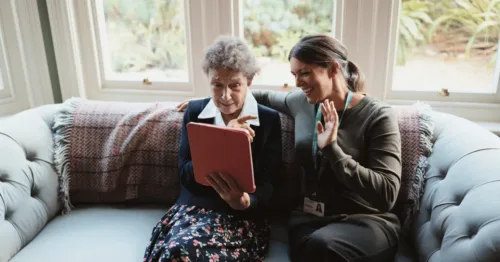
A care professional can spend time with your loved one at home, helping them maintain their usual routine and continue doing the things they enjoy. Depending on their individual needs, this might include sharing a cup of tea, preparing a meal together, accompanying them on a walk or helping them get out into the local community.
For someone who has become less confident about leaving the house, having a familiar care professional alongside them can make everyday activities feel more manageable.
GoodOaks can also provide practical support that may otherwise make everyday life more difficult, including help with shopping, meal preparation, light household tasks and personal care.
The aim isn’t to take over your parent’s life. It’s to provide the right level of support so they can continue living at home with confidence, independence and choice.
One of the benefits of homecare is that support can be tailored to the individual.
Your parent may only need a few visits each week for companionship and practical help. Alternatively, they may need more regular support as their circumstances change.
At GoodOaks Homecare Horsham and Crawley, we take time to understand the person, not just their care needs. We learn about their routines, preferences and personality so that the support we provide feels personal rather than like a standard care package.
For families, regular homecare can also provide reassurance. You know someone is checking in on your parent, even when work, distance or other commitments mean you can’t be there yourself.
Sometimes loneliness is closely linked to practical difficulties.
Your parent may want to see people, but struggling with cooking, shopping, personal care or getting out of the house can gradually lead to greater isolation.
This is where care at home can provide useful support.
Homecare doesn’t necessarily mean that an older person needs to move away from their home. Care can be tailored around their individual needs and can range from occasional visits to more regular support.
A care professional can help with everyday tasks, prepare meals, provide personal care and offer companionship. Having someone visit regularly can also create a familiar social connection during the week.
For families, this can provide reassurance that their parent has additional support, particularly when work or distance makes frequent visits difficult.
If you’re considering care for a parent, it’s natural to have questions.
You may be wondering how much support they actually need, whether homecare is appropriate or how to introduce the idea without making them feel that they are losing their independence.
A good starting point is to have an open conversation with your parent. Ask what they are finding difficult and what would make life easier.
They may be more interested in companionship, help with meals or support getting out of the house than you initially expect.
It can also help to think about care as something that can adapt over time. Your parent may only need a little support now, with additional care considered if their circumstances change.
If you’re looking for homecare in Horsham and Crawley, choosing a provider that takes time to understand the person behind the care needs can make the process feel much less daunting.
Feeling lonely doesn’t mean that an older person can no longer live independently.
In many cases, the right support can help someone remain in familiar surroundings while continuing to make their own choices. This can be particularly important for someone who values their home, routines and independence.
Homecare can support more than practical tasks. Regular companionship, conversation and encouragement can help an older person maintain meaningful connections and continue doing the things they enjoy.
For adult children, knowing that someone is there to provide regular support can also bring peace of mind.
If you’re worried that your mum, dad or another loved one is becoming isolated this winter, you don’t have to work everything out at once.
Sometimes, a few regular visits can make a meaningful difference. A friendly face, help with everyday tasks, a shared cup of tea or someone to accompany them on a walk can help break up long days at home and give families greater peace of mind.
At GoodOaks Homecare Horsham and Crawley, we provide flexible care and companionship designed around the individual. Whether your loved one needs occasional companionship, practical help around the home or more regular personal care, we can talk through the options with you.
There’s no pressure or obligation – just a friendly conversation about how we might be able to help.
If you’re looking for homecare in Horsham and Crawley, get in touch with our local team to find out more about the support available and discuss your family’s needs.