


Companion care and loneliness: Supporting an elderly parent in Maidenhead
Read
Enquire now to find out more about our tailored visiting and live-in care packages for your loved one.
Enquire nowIf someone you love has recently been diagnosed with dementia, you may be wondering what happens next. Many families suddenly find themselves navigating unfamiliar territory, balancing emotional decisions with practical concerns about safety, wellbeing and long-term support.
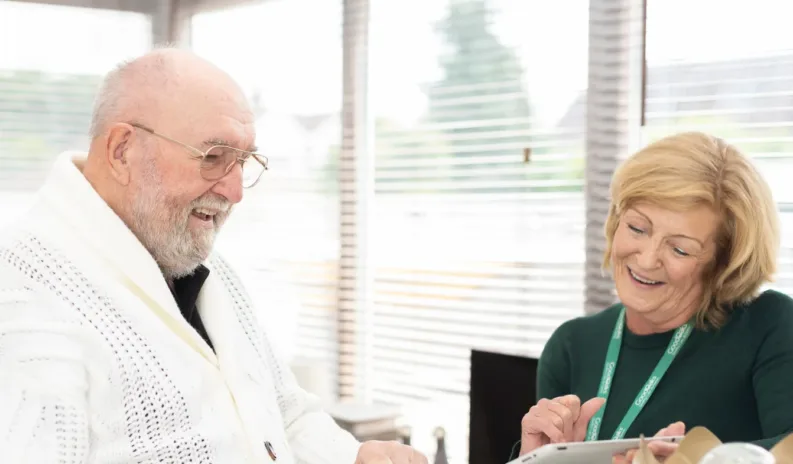
Dementia care is designed to help people living with dementia maintain their independence, dignity and quality of life for as long as possible. It also provides reassurance and support for families who may be taking on caring responsibilities for the first time.
In this guide, we explain what dementia care involves, the different types of support available, when to seek help and how professional homecare can make everyday life easier for everyone involved.
Dementia is an umbrella term used to describe a range of conditions that affect the brain.
These conditions can impact memory, communication, behaviour, problem-solving and the ability to carry out everyday tasks.
Alzheimer’s disease is the most common form of dementia, but there are several different types, including:
Symptoms often develop gradually and can vary from person to person. Some individuals may experience memory loss first, while others may notice changes in mood, confusion or difficulty with language.
Although dementia is progressive, the right support can help people continue living safely and comfortably at home.
Dementia care is specialist support designed to meet the changing needs of someone living with dementia.
The goal of dementia care is not simply to help with practical tasks. It is about supporting the whole person emotionally, socially and physically while helping them maintain their identity, routines and independence.
Care can be provided by family members, professional carers or a combination of both. Many families choose dementia homecare because it allows their loved one to remain in familiar surroundings, which can often reduce confusion and anxiety.
At GoodOaks Homecare, dementia care is tailored around the individual, their routines, preferences and life story. Familiarity, consistency and compassionate relationships are central to the support we provide.
Dementia care can look different depending on the stage of dementia and the needs of the individual.
Support may include:
For many people living with dementia, staying at home can have a positive impact on emotional wellbeing.
Familiar surroundings often help reduce confusion and distress. Everyday routines, treasured belongings and recognisable environments can all provide comfort and reassurance.
Homecare also allows families to remain closely involved in care while receiving professional support where needed.
Rather than adapting to a new environment, dementia homecare brings support into the home, allowing care to fit around the individual.
Families often wonder when they should seek professional support. While every situation is different, some common signs include:
Seeking support early can often prevent crises and provide reassurance for both the individual and their family.
Professional dementia homecare offers support that evolves as needs change.
Some of the key benefits include:
Dementia affects the whole family, not just the individual.
Family carers often balance work, children and other responsibilities while trying to support someone they love. Over time, this can become emotionally and physically exhausting.
Having the right support in place can make a significant difference. Professional carers can work alongside families, offering practical help, reassurance and continuity of care.
At GoodOaks Homecare, we believe dementia care should focus on relationships, dignity and understanding. Our care professionals take the time to get to know each person and support them in a way that feels familiar and reassuring.
Understanding dementia can feel overwhelming, especially at the beginning of the journey.
To help families feel more informed and supported, we offer a free dementia care guide packed with practical advice, guidance and support information.
The guide covers:
Download our free Dementia Care Guide here
At GoodOaks Homecare, we understand that no two dementia journeys are the same.
Our approach to dementia care is built around compassion, consistency and person-centred support.
We focus on helping people maintain independence, routines and quality of life while providing reassurance for families.
Our care teams are trained to provide specialist dementia support with patience, empathy and understanding.
Whether your loved one needs a few hours of support each week or more comprehensive care, we work closely with families to create care that feels right for them.
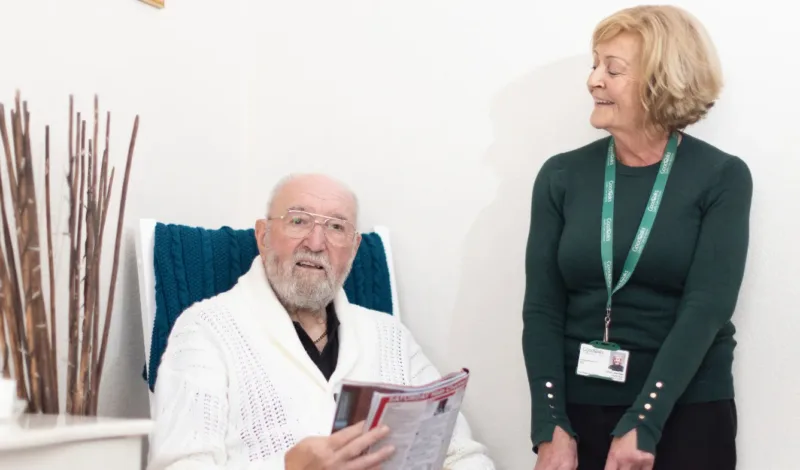
Dementia care includes specialist support tailored to the unique challenges associated with dementia, including communication techniques, routine support and understanding behavioural changes.
Yes. Many people living with dementia can continue living safely at home with the right support in place.
There is no single right time, but seeking support early can help individuals remain independent for longer and reduce stress for families.
Common signs include forgetfulness, confusion, missed medication, difficulty managing daily tasks, changes in behaviour and increased safety concerns.
Yes. Good dementia care should always be tailored to the individual’s needs, preferences, routines and stage of dementia.
If you are exploring dementia care for a loved one, GoodOaks Homecare is here to help.
Our compassionate team can talk you through the options available and help you find the right support for your family.
Get in touch today to learn more about our specialist dementia homecare services and download our free Dementia Care Guide.