




Live-in care vs care homes: Which is right for your loved one in Barnet and…
Read
Enquire now to find out more about our tailored visiting and live-in care packages for your loved one.
Enquire nowCaring for a loved one can be incredibly rewarding, but it can also be physically and emotionally demanding.

Many family carers devote so much time and energy to supporting someone else that they overlook their own wellbeing. Over time, this can lead to exhaustion, stress and burnout, making it harder to continue providing the level of care their loved one needs.
Respite care offers families the chance to pause, recharge and receive additional support without compromising the quality of care their loved one receives.
In this guide, we explain what respite care is, when to consider it and why taking a break can benefit both family carers and the person receiving care.
Respite care is temporary care designed to support individuals while their usual caregiver takes time away from their caring responsibilities.
The break may be planned or needed unexpectedly due to illness, work commitments, holidays or simply the need to rest.
Respite care can take place at home, in a care setting or through day services, but many families prefer respite homecare because it allows their loved one to remain in familiar surroundings.
At GoodOaks Homecare, respite care is flexible and tailored around the needs of each family. Support can range from a few hours each week to overnight or longer-term care.
Family carers often put immense pressure on themselves.
Many feel guilty about taking time away or asking for help, but caring without breaks can become overwhelming over time.
Respite care is not about stepping away from responsibility. It is about ensuring everyone involved receives the support they need.
Taking regular breaks can help family carers:
In many cases, respite care can strengthen the caring relationship by reducing exhaustion and emotional strain.
Every caring situation is different, but there are some common signs that additional support may be needed.
Caring can be physically demanding, especially when balancing other responsibilities. Constant tiredness, stress or emotional overwhelm can be signs that a break is needed.
Many family carers juggle employment, childcare and other commitments alongside caring responsibilities. Respite care can provide breathing space and practical support.
When family carers feel stretched too thin, it can affect their emotional wellbeing and relationships. Seeking support early can help prevent burnout.
As care needs become more complex, additional professional support can help ensure the individual continues receiving safe and high-quality care.
If caring responsibilities are affecting sleep, health appointments, social activities or overall wellbeing, respite care may help restore balance.
Respite homecare allows individuals to continue receiving support in the comfort of their own home.
This can be especially beneficial for older adults or those living with conditions such as dementia, where familiarity and routine are important.
Some of the benefits include:
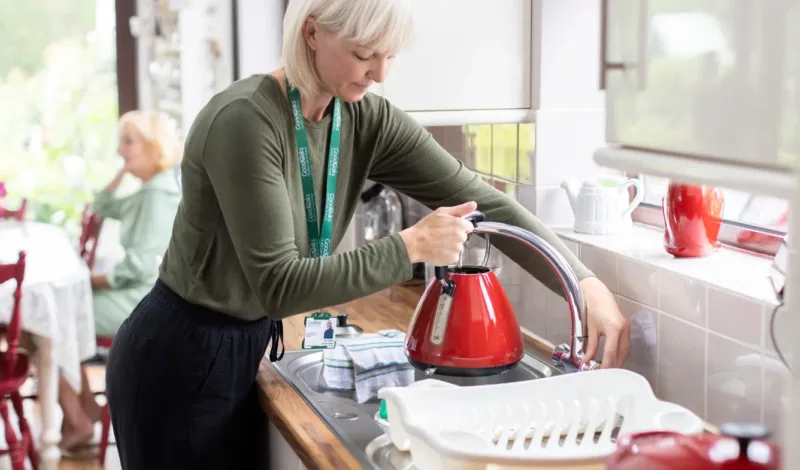
Families caring for someone living with dementia often face unique challenges.
Dementia care can become increasingly demanding as needs change over time. Regular respite support can help families maintain balance while ensuring their loved one receives specialist support.
At GoodOaks Homecare, our care professionals are trained to provide compassionate dementia support focused on dignity, familiarity and reassurance.
Some families worry that their loved one may resist the idea of respite care.
Introducing support gradually can often help ease concerns.
Helpful approaches include:
Building trust and consistency is key.
Many family carers feel they should manage everything alone, but asking for help is not a sign of failure.
Respite care allows carers to continue supporting their loved one in a healthier and more sustainable way.
Looking after your own wellbeing is an important part of being able to care for someone else.
At GoodOaks Homecare, we understand the importance of trusted and compassionate support.
Our respite homecare services are designed to give families confidence and reassurance while providing high-quality care tailored to each individual.
Our care professionals take the time to understand routines, preferences and care needs so support feels familiar, respectful and personal.
Whether you need occasional support or more regular respite care, we are here to help.

Respite care can range from a few hours to several weeks depending on individual needs and circumstances.
Yes. Many families choose respite homecare so their loved one can remain in familiar surroundings.
Yes. Specialist dementia respite care can provide tailored support that maintains routines and reduces disruption.
If caring responsibilities are affecting your physical health, emotional wellbeing, work or relationships, additional support may help.
No. Many families use respite care regularly as part of a longer-term care plan.
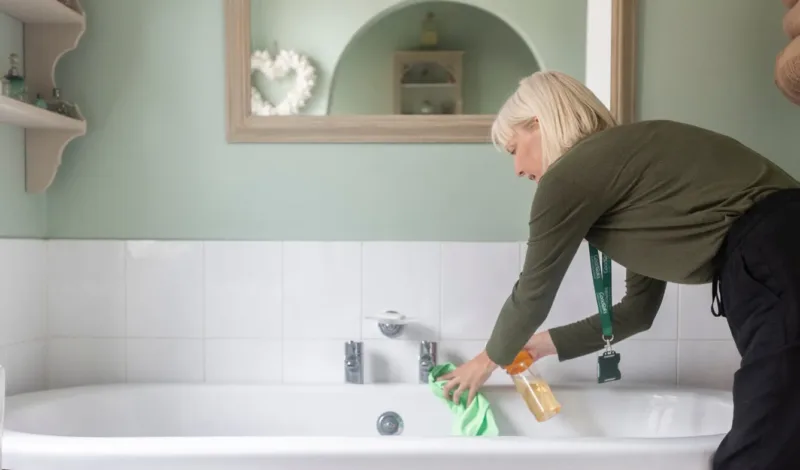
If you are supporting a loved one and need additional help, GoodOaks Homecare is here for you.
Our flexible respite homecare services are designed to support both individuals and family carers with compassionate, personalised care.
Get in touch today to learn more about how respite care can help your family.