Why does my mum get more confused in the evening? Understanding sundowning in Barnet and…
Read
Enquire now to find out more about our tailored visiting and live-in care packages for your loved one.
Enquire nowSundowning in dementia can cause increased confusion, agitation or anxiety in the late afternoon and evening, leaving families worried about changes in their loved one's behaviour.

If a loved one living with dementia experiences increased confusion, agitation or anxiety in the late afternoon and evening, they may be experiencing sundowning in dementia.
It’s common, it isn’t anyone’s fault, and there’s a lot that can be done to ease it.
Many families we support across Barnet and Enfield notice this pattern and worry that something has changed for the worse, when in fact it’s a well-understood part of caring for someone with dementia.
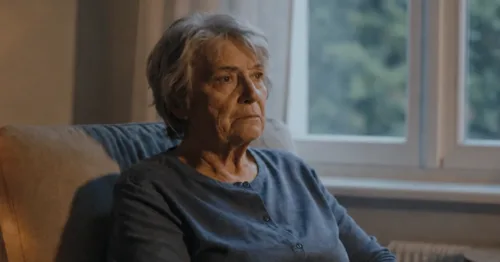
Sundowning in dementia describes a pattern of increased confusion, restlessness, irritability or anxiety that tends to appear in the late afternoon or evening and can continue into the night.
It’s thought to be linked to a combination of factors: tiredness building up over the day, changing light levels disrupting the body’s internal clock, and simply having less structured activity, which can leave more room for confusion and worry.
It’s important to know that sundowning is a recognised feature of dementia, not a sign that things are suddenly getting worse overall. Understanding this can bring real reassurance to families who see it happen and fear the worst.
Understanding what triggers sundowning in dementia can help families identify patterns and make small adjustments to the daily routine that may ease evening confusion.
Routine and familiarity are two of the most effective tools against sundowning. They’re also two of the biggest reasons families in Barnet and Enfield choose home-based care over a move to residential care.
A consistent daily rhythm, with regular mealtimes, familiar activities earlier in the day and a calm, predictable evening routine, can reduce the confusion that sundowning brings.
Good lighting in the early evening, before it gets dark outside, can also help minimise the disorientation that comes with fading natural light. Keeping the evening calm, limiting excess noise or a busy television, and having a familiar face present can make a real difference too.
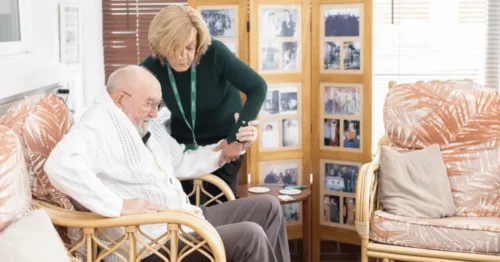
At GoodOaks Homecare Barnet and Enfield, our Care Professionals get to know each client’s patterns closely, including when sundowning tends to occur, and shape the evening routine around what helps that particular person feel calm and safe.
For some clients, this means having a consistent Care Professional present through the evening. For others, waking night support as part of a Live-in Care plan provides extra reassurance through the night too.
Barnet’s Community Mental Health Team for Older People (020 8702 6000) can offer guidance if sundowning becomes particularly difficult to manage.
The Alzheimer’s Society Barnet branch (020 8200 1111) can also provide advice and support for both clients and family carers navigating this.
Barnet Carers runs free training courses covering dementia care, which can help family carers feel more confident recognising and responding to sundowning at home.
1. Is sundowning a sign my mum’s dementia is getting worse?
Not necessarily. Sundowning is a recognised pattern linked to the time of day rather than a marker of overall decline. It’s worth mentioning to a GP if it becomes more frequent or severe, but it doesn’t always signal a change in the underlying condition.
2. What time of day does sundowning usually happen?
It typically occurs in the late afternoon or early evening, although the exact timing and severity vary from person to person.
3. Can a Care Professional help manage sundowning specifically?
Yes. Our Care Professionals are trained to recognise sundowning and build routines that help ease it, including calm evening activities and consistent, familiar support.
4. Should I mention sundowning to a doctor?
Yes, it’s worth raising with a GP or memory clinic, particularly if it’s new, worsening or causing safety concerns, as they can advise on the next steps.
If sundowning is affecting your family in Barnet or Enfield, GoodOaks Homecare Barnet and Enfield can talk through how the right care routine might help. Contact your local team for a free assessment.