



What is live-in care and how does it work in Barnet & Enfield?
Read
Enquire now to find out more about our tailored visiting and live-in care packages for your loved one.
Enquire nowThe way we stay hydrated may vary across cultures, but drinking enough fluids is essential for maintaining good health, especially as we get older.
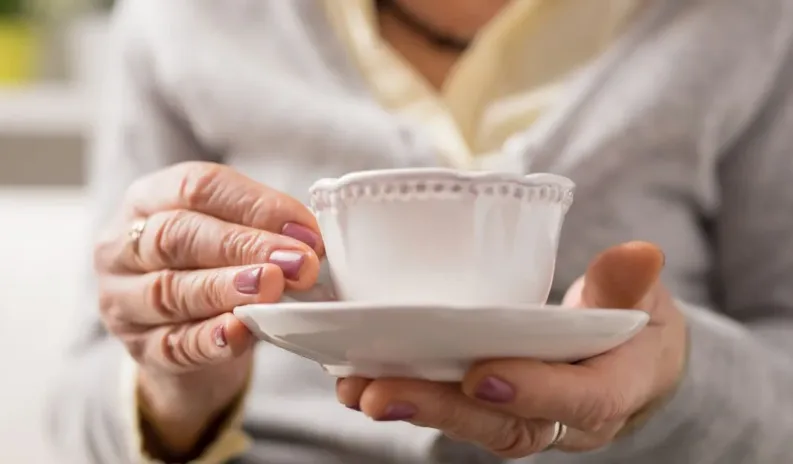
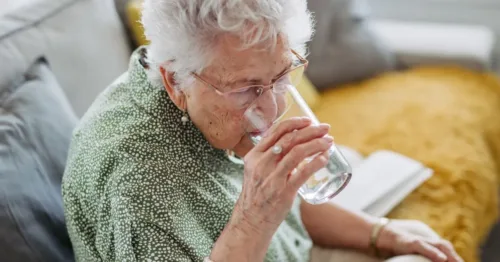
Hydration around the world may look different from one culture to another, but staying hydrated is essential at every stage of life, especially as we get older. Older adults are often less likely to feel thirsty, even when their bodies need fluids, increasing the risk of dehydration. Drinking enough throughout the day helps support energy levels, digestion, circulation, kidney function and overall wellbeing.
At GoodOaks Homecare Woodford Green, Loughton & Waltham Forest, we know that encouraging good hydration isn’t simply about offering more water. Every person has their own preferences, routines and cultural traditions, and recognising these can make staying hydrated easier and more enjoyable.
Dehydration can develop gradually and may contribute to a range of health concerns, including urinary tract infections (UTIs), constipation, headaches, dizziness and confusion. It can also increase the risk of falls and hospital admissions.
The NHS recommends that most adults aim to drink around six to eight glasses of fluid each day, although individual needs will vary. Water, milk, tea, coffee and sugar-free drinks all contribute towards daily fluid intake, as do many water-rich foods.
Across different cultures, people have developed their own ways of staying refreshed, particularly in warmer climates.
In South Asian households, drinks such as lassi, chaas or buttermilk, coconut water and homemade lemon water may be familiar favourites. Fruits such as watermelon, oranges, grapes and mango can also provide additional fluid.
Many Middle Eastern and North African families enjoy mint tea, laban, ayran, soups, cucumber, yoghurt and water flavoured with lemon or fresh mint. Tea is often shared socially, encouraging people to drink while spending time with family and friends.
In Mediterranean cultures, hydration may come through water served alongside meals, gazpacho, yoghurt, herbal teas and water-rich foods such as tomatoes, cucumber, melon and citrus fruit.
Warm water, green tea, jasmine tea, broths and light soups are common in several East Asian traditions. Some older people may prefer a warm or room-temperature drink rather than cold water, particularly first thing in the morning.
Caribbean and African traditions may include coconut water, herbal teas, fruit drinks, soups and fresh tropical fruits. Eastern European families may be familiar with fruit compotes, kefir and nourishing soups.
These examples show that there is no single correct way to stay hydrated. The best drink is often one that a person recognises, enjoys and is happy to accept regularly.
Food and drink are often closely linked to culture, routine and cherished memories.
For someone living with dementia, a favourite cup of tea, a traditional soup or a familiar yoghurt drink may encourage them to drink more naturally than something unfamiliar.
Taking time to understand personal preferences helps create truly person-centred care.
Consider questions such as:
These small details can make a meaningful difference to daily hydration.
Living in such a diverse part of Woodford Green, Loughton, Waltham Forest and Buckhurst Hill makes it easier for families to find culturally familiar drinks, fruits and ingredients that can encourage good hydration.
Local supermarkets, including Waitrose in South Woodford and Buckhurst Hill, stock a wide selection of everyday drinks, fresh fruit, yoghurt, soups and other hydrating foods. The area is also home to many independent supermarkets, greengrocers and specialist food stores where families can find traditional teas, herbs, tropical fruits, coconut water, yoghurt drinks, lentil soups, broth ingredients and other familiar foods from around the world.
Rather than introducing something completely new, it is often more effective to build on existing habits. Offering a favourite tea more regularly, preparing a traditional soup or including extra fruit and yoghurt throughout the day can make staying hydrated feel both natural and enjoyable.
When choosing drinks, it’s also worth being mindful of sugar, salt and caffeine content. Where appropriate, lower-sugar, sugar-free or diluted alternatives can provide the same familiar taste while supporting healthy hydration.
Simple habits can make drinking enough fluids much easier.
Families and care professionals can help by:
Creating enjoyable routines often encourages better hydration without making it feel like a chore.
It’s important to recognise when someone may not be drinking enough.
Common signs include:
If dehydration is suspected, encourage fluids and seek medical advice if symptoms worsen or persist. Anyone who has received personalised medical advice about their fluid intake should continue to follow that guidance.
At GoodOaks Homecare Woodford Green, Loughton & Waltham Forest, we believe that excellent care begins with understanding the individual.
That includes learning about a person’s background, daily routines, favourite foods and drinks, religious or cultural practices, and the small comforts that help them feel at home.
By combining good hydration guidance with familiar traditions, families can support an older loved one’s health without taking away the habits and cultural connections they have valued throughout their life.
Sometimes, encouraging better hydration can be as simple as sharing a favourite cup of tea, preparing a familiar soup or picking up a much-loved drink from a local shop.
Supporting healthy hydration is just one of the many ways we help older adults maintain their health and independence. Contact GoodOaks Homecare Woodford Green, Loughton & Waltham Forest today to find out how our personalised homecare and companionship services can support your loved one.