




Supporting a lonely elderly relative from a distance
Read
Enquire now to find out more about our tailored visiting and live-in care packages for your loved one.
Enquire nowWhen someone you love begins to need extra support, knowing where to start can feel overwhelming.

Many families suddenly find themselves trying to understand unfamiliar terms, compare different types of care and make important decisions under emotional pressure.
Questions often come quickly.
The good news is that there are many care options available, and support can often be tailored around the individual rather than forcing someone into a one-size-fits-all solution.
In this guide, we explain the most common types of care available, how they work and what families should consider when choosing the right support.
Families are often introduced to care during stressful or emotional situations.
A hospital discharge, a dementia diagnosis, a fall or increasing concerns about safety can suddenly make support feel urgent.
Understanding the options available can help families make informed decisions with greater confidence and less pressure.
Importantly, care is not all or nothing.
Many people start with a small amount of support and gradually increase care over time as needs evolve.
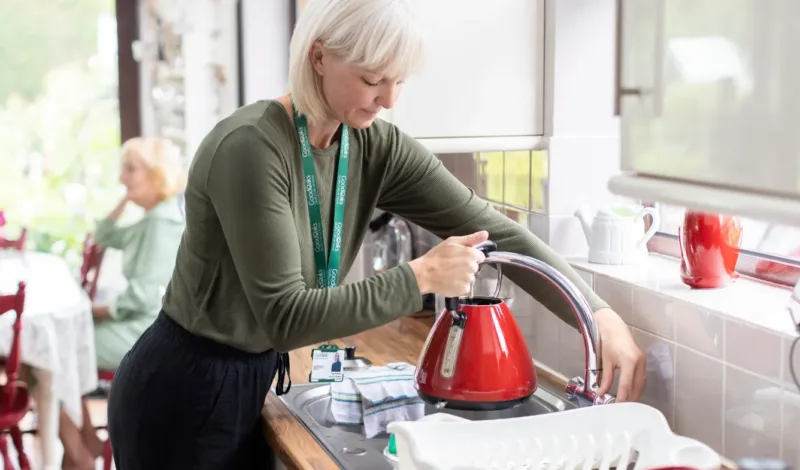
Homecare, or domiciliary care as it’s also known, provides professional support within the individual’s own home.
A care professional visits at agreed times to help with daily tasks, personal care, companionship and wellbeing.
Homecare is one of the most flexible care options available because support can be tailored around the individual’s routines and lifestyle.
Homecare support may include:
Some people only need a few hours of support each week, while others benefit from multiple daily visits.
For many families, homecare offers reassurance while allowing a loved one to remain independent at home.
Download our free Nutrition and Hydration Guide
Live-in care involves a dedicated care professional living in the individual’s home to provide more ongoing support.
This can be a good option for people who:
Live-in care allows individuals to remain in familiar surroundings while receiving one-to-one support and continuity of care.
Respite care provides temporary support while a family carer takes a break.
This support may last for a few hours, several days or longer depending on the situation.
Respite care can help prevent caregiver burnout and provide reassurance for families.
It is often used when:
Many families choose respite homecare because it allows their loved one to remain comfortable in familiar surroundings.
Dementia care is specialist support designed around the unique challenges associated with dementia.
Support focuses on maintaining independence, routines, emotional wellbeing and quality of life while helping individuals remain safe and supported.
Dementia homecare may include:
For many people living with dementia, remaining at home can help reduce confusion and anxiety.
Download our free Dementia Care Guide
Not all care needs are physical.
Some individuals simply benefit from regular company, conversation and emotional support.
Companionship care focuses on reducing loneliness and helping people remain socially connected.
Support may include:
Companionship can play an important role in emotional wellbeing and confidence.
Overnight care provides support during the night for individuals who may need reassurance or practical help outside of daytime hours.
This may include:
Overnight care can also provide valuable rest for family members who may otherwise be supporting a loved one throughout the night.
There is no single right answer.
The best care option depends on the individual’s needs, preferences, routines and overall wellbeing.
Some helpful questions to consider include:
Speaking to a professional homecare provider can help families better understand the most suitable options.
Many families prefer care at home because it allows loved ones to remain in familiar surroundings.
Remaining at home can help individuals:
Homecare also offers flexibility, allowing support to adapt as circumstances change.
Download our free Mobility and Balance Guide
Good care should never feel generic.
Every person has different routines, preferences, personalities and goals.
At GoodOaks Homecare, we believe care should be tailored around the individual, not the other way around.
Our care professionals take the time to build trusted relationships and provide support that feels compassionate, respectful and personal.
Homecare involves scheduled visits, while live-in care provides more continuous support with a care professional living in the home.
Yes. Many people begin with occasional homecare visits and gradually increase support as needs change.
Yes. Dementia homecare can provide personalised support while helping individuals remain in familiar surroundings.
No. Many families use respite care regularly to maintain balance and prevent burnout.
Speaking with a professional homecare provider is often the best first step. They can assess needs and recommend suitable support options.
Understanding care can feel overwhelming at first, but you do not have to navigate it alone.
At GoodOaks Homecare, we are here to help families explore the right support with compassion, honesty and guidance.
Whether you are considering visiting homecare, live-in care, respite support or dementia care, our team can help you understand the options available.
Get in touch today to learn more about our personalised homecare services.