


What is live-in care and how does it work in Barnet & Enfield?
Read
Enquire now to find out more about our tailored visiting and live-in care packages for your loved one.
Enquire nowHot weather can pose serious health risks for older people, especially those living with dementia. Knowing how dementia and hot weather affect older adults is key to keeping them safe and well.
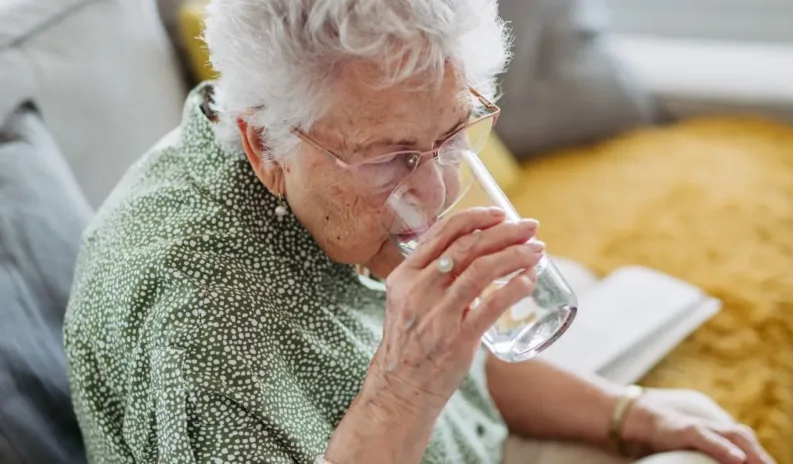
Warm summer weather can be enjoyable, but dementia and hot weather can be a dangerous combination, with periods of high heat creating serious risks for older people.
People with dementia may not always recognise that they are becoming too hot or thirsty. They may forget to drink, struggle to communicate that they feel unwell or be unable to take the practical steps needed to cool themselves down. Families and carers across Woodford Green, South Woodford, Buckhurst Hill and the surrounding areas therefore have an important role to play during hot weather.
Older people are generally more vulnerable during periods of high temperature because their bodies may be less able to regulate heat effectively. Dementia, reduced mobility, underlying medical conditions and certain medicines can increase this risk further. UK government guidance specifically identifies people aged 65 and over and those living with dementia as being at greater risk of becoming seriously unwell during hot weather.
Dementia can also make it harder for a person to respond appropriately to the heat. For example, they may:
Simply leaving a glass of water nearby may not be enough. The person may not notice it, understand why it is there or remember to drink from it.
Alzheimer’s Society explains that people with dementia may not recognise thirst or may forget to drink. Dehydration can lead to headaches, constipation, urinary tract infections and increased confusion, all of which can make dementia symptoms appear worse.
A person who is usually calm may suddenly appear restless, irritable or disorientated. Others may become unusually sleepy, quiet or withdrawn.
A sudden and noticeable change should not automatically be assumed to be part of the person’s dementia. It could be delirium – a rapid change in mental state caused by an underlying health problem. Delirium is more common among older people and particularly among those who already have dementia.
Family members often know the person best and may be the first to notice that they are “not themselves”.
Look out for:
Encourage regular drinks throughout the day rather than waiting for the person to ask. Alzheimer’s Society recommends offering a variety of drinks, giving a drink with meals and using a clear or brightly coloured cup that is easy to see and hold. Foods with a high fluid content, including yoghurt, jelly, soup, jelly drops and ice lollies, can also help support hydration.
Anyone who has been advised by a doctor to restrict their fluid intake should continue to follow their individual medical guidance.
Homes can become surprisingly warm, particularly upstairs or in rooms that receive direct sunlight.
If possible, use a fan to help improve air circulation, while ensuring the person remains comfortable and is not exposed to a direct cold draught for long periods.
During the day, close curtains or blinds in rooms facing the sun. When the air outside becomes cooler – often during the evening or early morning – open windows where it is safe to do so and allow cooler air to circulate.
Other simple measures include:
The NHS and UK Health Security Agency advise keeping windows, curtains and blinds closed when it is hotter outside than inside, then opening them when the outdoor temperature falls.
Some medicines can make people more vulnerable to the effects of hot weather, while others may need to be stored below a particular temperature.
Prescribed medicines should not be stopped or changed without professional advice. Check the storage instructions and speak to a pharmacist, GP or NHS 111 if you have concerns about medication during extreme heat.
Heat exhaustion can cause tiredness, weakness, headache, feeling faint, muscle cramps, nausea, heavy sweating and intense thirst.
Move the person somewhere cool, remove unnecessary clothing, offer cool water and cool their skin with water or wrapped cold packs. They should begin to feel better within around 30 minutes. Contact NHS 111 if they do not improve or if you remain concerned.
Heatstroke is more serious. Warning signs can include:
Someone living alone may not realise that their home has become dangerously hot. During warmer periods, relatives, neighbours and carers should check in regularly – not only by telephone, but in person where possible.
At GoodOaks Homecare Woodford Green and Epping Forest, our visiting care professionals and 24 hour live-in care can support older people by offering regular drinks, preparing hydrating meals, helping them dress appropriately, keeping their living space comfortable and watching for changes in their physical health or behaviour.
Thoughtful, person-centred support can help someone living with dementia enjoy the summer while remaining safe, comfortable and connected within their own home.
If you’re concerned about how an older loved one is coping during hot weather, contact GoodOaks Homecare Woodford Green, Loughton & Waltham Forest today. Our friendly team can discuss how personalised visiting and live-in care can help keep your loved one safe, comfortable and well supported throughout the warmer months.