




Sold out and swinging: GoodOaks’ second annual Elvis afternoon raises the roof for Age UK…
Read
Enquire now to find out more about our tailored visiting and live-in care packages for your loved one.
Enquire nowLeaving hospital is often seen as a positive step. It means treatment has progressed and recovery is underway. But for many families, this transition can also feel uncertain.
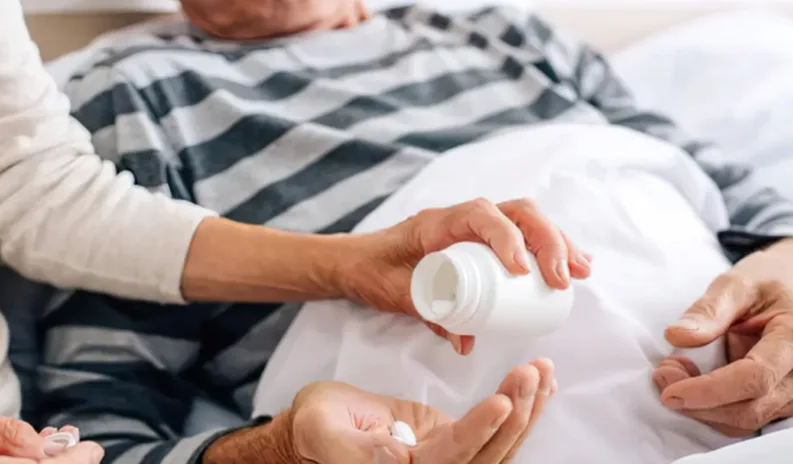
The reality is that the first few days and weeks at home are critical. Without the right support in place, recovery can be slower, more stressful, and in some cases, lead to readmission.
With the right planning and homecare support, returning home can be a safe, comfortable and confident step forward.
Hospital environments are designed for constant monitoring and immediate medical support. At home, that level of care is no longer in place.
This is where many challenges can arise:
A safe transition home is not just about discharge. It is about what happens next.
Download our free Mobility and Balance Guide
Every recovery journey is different, but many people benefit from additional support at home during this period.
This can include:
Having consistent, reliable support can make a significant difference to both recovery outcomes and overall wellbeing.
One of the biggest concerns after discharge is the risk of returning to hospital. Many readmissions can be prevented with the right care and support in place.
Professional homecare helps to reduce these risks by:
This proactive approach helps people recover more safely at home.
Recovery is not just about physical healing. It is also about rebuilding confidence.
After a hospital stay, even simple tasks can feel daunting. The right support should empower, not take over.
At GoodOaks Homecare, our approach focuses on:
This ensures that care is not only safe, but also respectful and person-centred.
Planning ahead can make a significant difference to how smooth the transition is.
Some simple steps include:
Having a clear plan in place helps reduce stress and creates a more positive recovery experience.
After a hospital stay in the UK, care may be funded in different ways depending on individual needs and circumstances.
In the short term, some people may receive NHS-funded reablement care, which is usually provided free of charge for a limited period to help regain independence at home. This is typically arranged before leaving the hospital.
If ongoing support is needed, funding options can include:
Many families choose a combination of support, starting with NHS or local authority services and then arranging private homecare to ensure consistent, flexible care at home.
If you are unsure what you are entitled to, it is always worth asking for a care assessment before discharge or speaking to a trusted homecare provider for guidance.
Download our free Funding Guide.
At GoodOaks Homecare, we understand that coming home from hospital can feel like a big step. Our experienced care professionals provide tailored homecare support designed to make recovery safer and easier.
Whether it’s short-term reablement support after discharge or ongoing visiting care or live-in homecare, we work closely with individuals and families to deliver care that is reliable, compassionate and consistent.
We believe that everyone deserves to recover in the comfort of their own home, with the right support around them.
If you or a loved one is preparing to leave hospital, planning ahead can make all the difference.
Our team is here to help you put the right support in place, giving you peace of mind and helping recovery progress with confidence.
Get in touch with GoodOaks Homecare to find out how we can support a safe and smooth transition home.
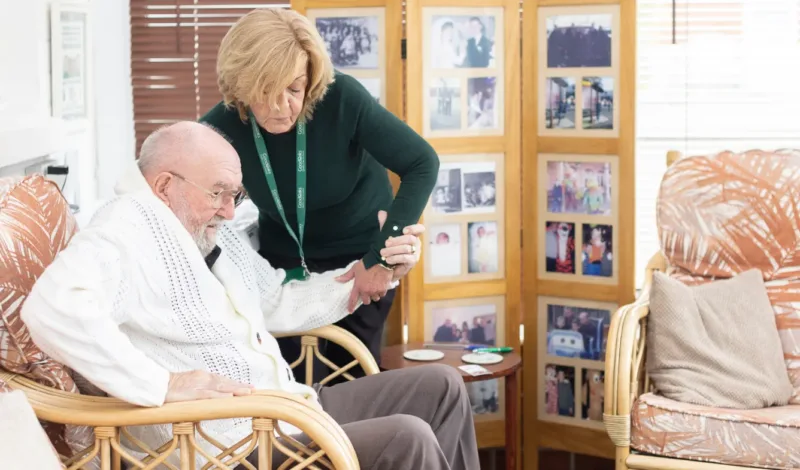
After leaving hospital, support can include NHS services such as reablement care, as well as private homecare. Many families choose a combination of both. Homecare providers like GoodOaks offer flexible support with personal care, medication, meals and mobility to help recovery at home.
Recovery time varies depending on the condition, age and overall health of the individual. Some people may need support for a few days, while others may benefit from ongoing care for several weeks or longer. Having the right support in place can help speed up recovery and improve outcomes.
In some cases, yes. However, it depends on their mobility, confidence and medical needs. Many people who live alone benefit from short-term homecare visits to ensure they are safe, supported and recovering well.
Reablement care is usually short-term support provided by the NHS to help someone regain independence after a hospital stay. Homecare can work alongside this or continue afterwards, offering more flexible and ongoing support tailored to individual needs.
Simple changes can make a big difference. Removing trip hazards, improving lighting, installing grab rails and ensuring essentials are within easy reach can all help. Professional carers can also support safe movement around the home.
Common risks include falls, medication errors, dehydration and fatigue. Without the right support, these risks can increase. Having a structured care plan and regular support can help reduce the likelihood of complications or readmission.
Ideally, care should be arranged before discharge or as soon as possible afterwards. Early support is key to preventing issues and ensuring a smooth transition home.
You can arrange homecare privately by contacting a provider like GoodOaks Homecare directly. Many providers can put support in place quickly, often within 24 to 48 hours, depending on your needs.
If you are interested in homecare for yourself or a loved on, find your local branch and submit an enquiry form.