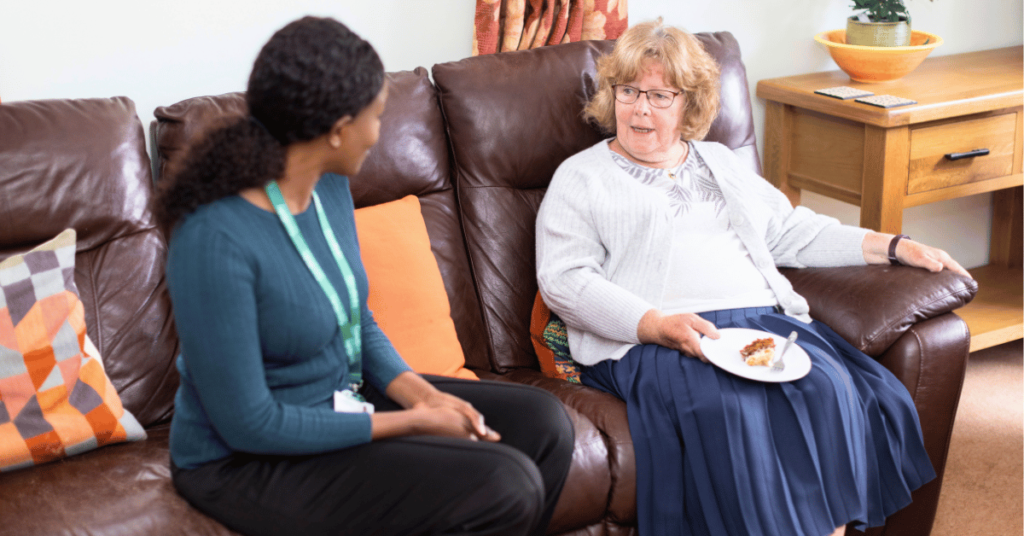




How to talk to a parent about memory loss or dementia
Read
Enquire now to find out more about our tailored visiting and live-in care packages for your loved one.
Enquire nowThe stages of dementia can look different for everyone, but understanding how symptoms and care needs may change over time can help families plan ahead and access the right support.

Dementia is a progressive condition, but no two people experience it in exactly the same way. Symptoms can change over time, but the way dementia progresses and the support someone needs will vary from person to person. Understanding the different stages of dementia can help families plan ahead, recognise when additional support may be helpful and make informed decisions about care.
For families across Leicestershire South, including Market Harborough, Oadby, Knighton, Leicester and the surrounding villages, knowing what to expect can make the journey feel a little less overwhelming.
No. There are several types of dementia, including Alzheimer’s disease, Vascular dementia, Lewy body dementia and Frontotemporal dementia. Each can affect people differently, and symptoms can vary from one person to another.
Some people may experience memory loss as their main symptom, while others may notice changes in language, behaviour, judgement or movement.
Rather than focusing only on a diagnosis or stage, it’s important to consider the individual and how their needs change over time.
In the early stages, many people continue to live independently and enjoy their usual routines, hobbies and social activities.
Some common changes may include:
At this stage, support is often about helping someone maintain their independence while providing reassurance when they need it.
Families may introduce support such as:
The right support will depend on the individual. Regular reviews with healthcare professionals can also help families understand changing needs and plan ahead.
As dementia progresses, everyday tasks may become more difficult and a person may need more regular support.
They may:
This can also be a challenging time for family members. Relatives may be balancing work, children and their own commitments alongside caring responsibilities, which can become increasingly difficult.
Regular visiting care can provide practical support while also giving family carers valuable time to rest, work or simply have a break.
In the later stages, a person will usually need significantly more support with everyday activities.
This may include help with:
Some people continue living at home with a combination of visiting care and live-in care, while others may eventually need residential or nursing care if their needs become more complex.
There is no single right choice for everyone. Decisions should take into account the person’s wishes, health, care needs and wider support network.
One of the benefits of homecare is that support can be adapted as someone’s needs change.
For example, someone might initially need just a little extra help with everyday tasks before gradually moving towards more regular support.
Early stage
Middle stage
Later stage
This flexible approach can help someone receive the support they need while maintaining as much independence and choice as possible.
Families don’t have to manage dementia alone. There are a range of local and national services that can provide information, advice and support, including:
Many families choose to combine community resources with professional homecare, creating a support network that can adapt as circumstances change.
At GoodOaks Homecare Leicestershire South, we understand that dementia is a journey, and the support someone needs can change along the way.
Our Care Professionals provide personalised visiting care and live-in care across Market Harborough, Oadby, Knighton, Leicester and surrounding communities. Support is built around the individual, their routines and the things that matter to them.
Depending on their needs, this may include personal care, meal preparation, companionship, medication support and help with everyday activities.
We also understand that dementia affects the whole family. Having a trusted Care Professional provide regular support can give family members reassurance while helping them maintain their own work, relationships and commitments.
You don’t need to wait until you’re struggling before asking for help. Sometimes introducing a small amount of support early can make it easier for everyone to adjust and build a relationship with their Care Professional.
It’s impossible to predict exactly how the stages of dementia will progress, but planning ahead can give families more options.
Talking about future wishes early, introducing support gradually and building trusted relationships with Care Professionals can help make changes feel less daunting if needs become more complex.
Most importantly, dementia doesn’t define the person. With the right support, people living with dementia can continue to enjoy familiar routines, meaningful relationships and the things that matter to them.
1. How many stages of dementia are there?
Dementia is often described in three broad stages: early, middle and later stage. However, these are general descriptions rather than fixed stages, and people can experience symptoms and progression very differently.
2. How quickly does dementia progress?
There is no set timeframe. The progression of dementia varies from person to person and can be influenced by the type of dementia, overall health and individual circumstances.
3. When should someone with dementia start receiving homecare?
There is no single point when someone should start receiving homecare. Some families introduce support during the early stages, perhaps with companionship or help around the home, while others seek care when everyday tasks become more difficult. Starting earlier can also give the person and their family time to build a trusting relationship with their Care Professional.
4. Can someone with advanced dementia stay at home?
Some people with more advanced dementia continue living at home with an appropriate package of support. This may include visiting care, live-in care and input from healthcare professionals. Whether staying at home is suitable will depend on the person’s individual needs and circumstances.
5. Where can I find dementia support in Leicestershire South?
Families can speak to their GP and access local and national organisations such as the Leicestershire Partnership NHS Trust Memory Assessment Service, Age UK Leicester Shire & Rutland, Dementia Harborough and Alzheimer’s Society. GoodOaks Homecare Leicestershire South can also discuss the different homecare options available and help families consider what type of support may be appropriate.
If you are supporting a loved one living with dementia, our dementia guide offers practical advice, support, and information to help families navigate the journey with confidence: Download our free Dementia Care Guide here.
If you’re considering care for yourself or a loved one, the GoodOaks Homecare Leicestershire South team is here to help. Get in touch to talk through your needs and explore the support available at home.