


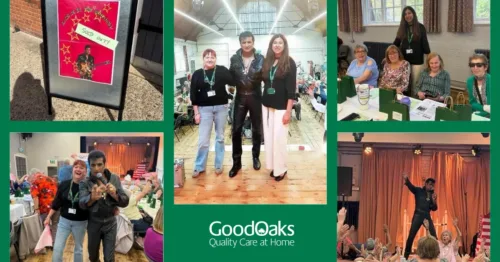
Sold out and swinging: GoodOaks’ second annual Elvis afternoon raises the roof for Age UK…
Read
Enquire now to find out more about our tailored visiting and live-in care packages for your loved one.
Enquire nowIf you have started to notice small changes in your loved one, recognising the signs your elderly parent needs help at home can help ensure they remain safe, independent and comfortable in familiar surroundings.

It can be difficult to see the people who once cared for us begin to need support themselves. Often, the changes happen gradually – perhaps your mum seems a little less steady on her feet, your dad is forgetting appointments, or everyday tasks no longer seem quite as easy as they once were.
Recognising the signs your elderly parent may need more help at home in Maidenhead can make all the difference, helping older people remain safe, independent and comfortable in the home they know and love.
If you have started to notice small changes in your parent, you are not alone. Many families across Maidenhead find themselves asking the same question: Does my loved one need a little more help at home?
When you see a loved one regularly, changes can happen so gradually that they are easy to overlook. Sometimes it is a family member who visits less often, a neighbour, or even a healthcare professional who first notices that something has changed.
Even so, there are some common signs that may indicate your parent could benefit from additional support at home.
If your parent is wearing the same clothes for several days, bathing less frequently, or their appearance seems less cared for than usual, it may be a sign that everyday tasks have become more challenging.
Personal care can be a sensitive topic, but noticing these changes early can help ensure your loved one receives the support they need while maintaining their dignity and independence.
Take note if there is little fresh food in the fridge, meals are being skipped, or food is regularly going out of date. Unexplained weight loss can also be a sign that preparing meals has become difficult.
Cooking often requires physical coordination, concentration and memory, so changes in eating habits can sometimes indicate that extra support would be beneficial.
You may notice household chores are no longer being completed, laundry is building up, or clutter is becoming more noticeable.
A home that feels less tidy than usual does not necessarily mean someone cannot manage independently, but it can be an indication that daily tasks are becoming more difficult.
Unsteadiness, unexplained bruising, or mentions of slips and falls should always be taken seriously.
Falls are one of the most common causes of injury in older adults. If your parent appears less confident moving around the home, additional support or advice may help reduce risks and improve confidence.
Download our Free Balance and Mobility Guide
Forgetting appointments, missing medication, becoming confused about dates or repeating questions more frequently can sometimes indicate changes in memory or cognition.
If these changes are becoming more noticeable, it is important to speak with your loved one’s GP, who can provide advice and further assessment if needed.
Has your parent stopped attending social groups, meeting friends or taking part in activities they once enjoyed?
Older people who become less socially active may be experiencing reduced confidence, mobility challenges, loneliness or changes in their overall wellbeing.
Staying connected to family, friends and the local community can play an important role in maintaining wellbeing and independence.
If several of these signs sound familiar, it does not necessarily mean your loved one needs to move into residential care.
For many families in Maidenhead and the surrounding areas, including Cookham, Furze Platt, Taplow and Cox Green, a little extra support at home can make a significant difference.
Home care can be tailored to each person’s individual needs and may include:
Often, even a small amount of support can help an older person continue living independently and confidently at home.
At GoodOaks Homecare Maidenhead, we understand that seeking support for a parent or loved one can feel overwhelming.
Our compassionate, professional carers provide high-quality, person-centred care that is tailored to each individual’s needs, preferences and routines. We believe that good care is about much more than practical support – it is about building trusted relationships and helping people continue to live well at home.
If you have started to worry about a loved one, we are always happy to have an informal, no-obligation conversation about your family’s situation and discuss the options available.
If you would like to learn more about home care in Maidenhead or discuss how we may be able to support your loved one, please get in touch with GoodOaks Homecare Maidenhead. Our friendly team is here to help.