




Managing with confidence to support strong leadership in homecare
Read
Enquire now to find out more about our tailored visiting and live-in care packages for your loved one.
Enquire nowDeciding to arrange visiting care for an older loved one rarely happens overnight. In many cases, families begin to notice small changes in daily life that suggest a little extra support may be helpful.
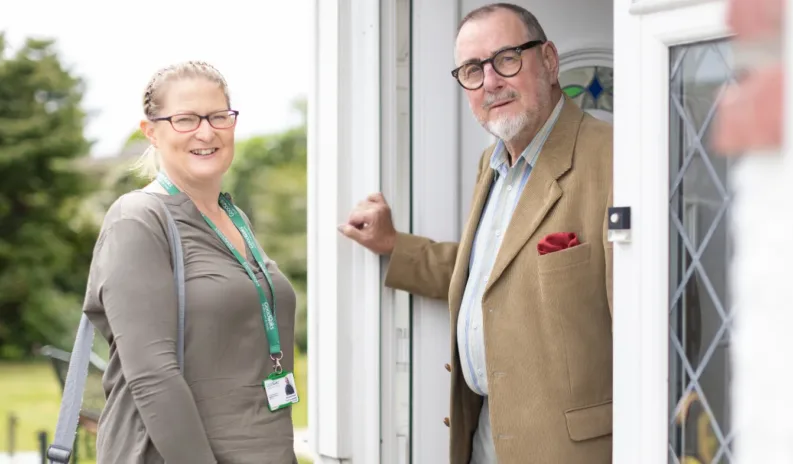
If you are exploring homecare such as visiting care or live-in care services in Richmond or Wandsworth, recognising these early signs can help you make informed decisions about the right support. Many families begin researching local care options to ensure their relatives can remain safe, comfortable and independent in their own homes.
You might notice that a parent seems less steady on their feet, or that everyday routines such as cooking, shopping or managing medication are becoming more difficult. Identifying these changes early can make it easier to introduce support that helps your loved one continue living well at home.
Some common indicators that additional support may be beneficial include:
For many families in Richmond and Wandsworth, visiting care offers flexible assistance that allows older adults to remain safe and independent in familiar surroundings.
Often the earliest signs appear in small changes to daily habits. Meals may be skipped, the home might feel less organised than usual, or important letters and bills could begin to pile up.
These changes do not necessarily mean someone can no longer live independently, but they may suggest that care at home could provide helpful support. A visiting care professional can assist with cooking, light household tasks and maintaining daily routines.
Many families begin searching for homecare in Richmond or Wandsworth when they notice these early signs and want to provide practical help before challenges become more serious.
Mobility can change gradually with age. A loved one may avoid stairs, find it harder to stand up from a chair, or appear less confident walking outside.
Visiting care services can support safe movement around the home, assist with bathing and dressing, and help older people get out for fresh air or appointments. This support can reduce the risk of falls while helping individuals maintain their independence.
Families often explore homecare services in London when mobility becomes a concern but want their loved one to remain in the comfort of their own home rather than moving into residential care.
Older people who live alone can sometimes experience reduced social interaction, especially if friends have moved away or mobility has decreased.
A care professional offers more than practical support. They also provide companionship and conversation.
Regular visits can bring structure to the day and give someone a friendly face to talk to.
For many older adults receiving care at home, these visits make a meaningful difference to emotional wellbeing.
Keeping track of medications and medical appointments can become more complicated over time. Missed doses or confusion about prescriptions are often among the first concerns families notice.
With elderly homecare, care professionals can help ensure medications are taken correctly, support attendance at appointments and monitor any changes in wellbeing.
Families supporting someone living with dementia may also consider dementia care at home, allowing their loved one to remain in familiar surroundings while receiving specialist support.
Sometimes support that begins with a few visits each week gradually increases as needs change.
Some families move from occasional help to daily visits, while others may explore live-in care services if more consistent support becomes necessary. This can provide reassurance similar to around the clock care, while allowing someone to remain in their own home and local community.
A common question families ask is about affordability. The cost of homecare in the UK varies depending on the level of support required and the number of visits each week.
In some situations, local authorities may contribute towards care following an assessment. Others choose private homecare providers so they can arrange support more quickly or tailor care around their family’s needs.
When families begin exploring options, they often compare homecare services in London with residential care homes.
For many people, care at home for older relatives offers a reassuring alternative. Remaining in familiar surroundings helps maintain independence, daily routines and connections to the local community.
In Richmond and Wandsworth, visiting care can begin with just a few hours each week and increase gradually if needs change.
If you are noticing small changes in a loved one’s daily life, it may be the right time to explore what support could help them remain safe and independent at home.
Considering homecare or visiting care in Richmond and Wandsworth early allows families to plan thoughtfully and introduce support gradually.
Whether it involves short daily visits, specialist dementia care, or live-in care, the right support can help your loved one continue living comfortably in the place they know best.
Contact us today to find out how we can help you.