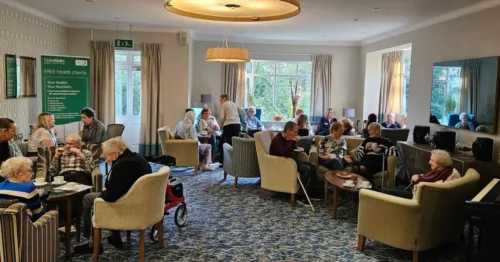




Aylesbury Community events for older people - Treasured Memories in Chesham
Read
Enquire now to find out more about our tailored visiting and live-in care packages for your loved one.
Enquire nowFor many families across Glasgow South and surrounding areas, deciding how best to support an ageing loved one can feel overwhelming. In this blog, we look at your options and help simplify what care at home looks like.
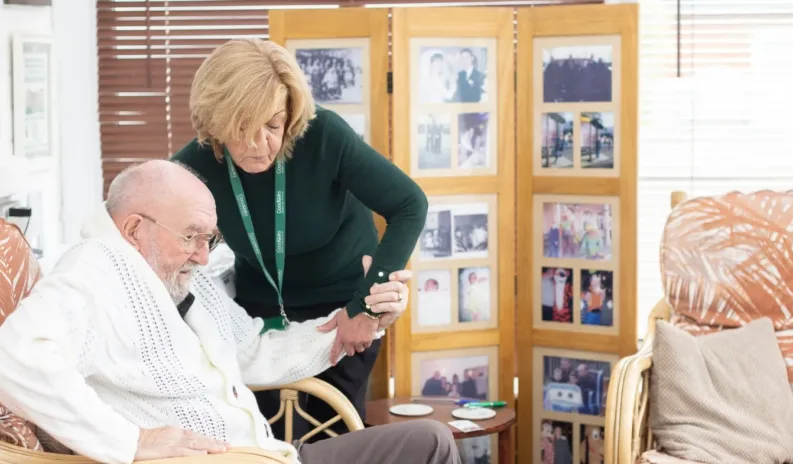
Whether you are in Shawlands, Newton Mearns, Clarkston, Giffnock, East Kilbride, Cambuslang or Paisley, the question often comes down to this: how can someone continue living safely and comfortably in the home they love?
Live-in care is one option that more families across Glasgow South and East Renfrewshire are now considering.
Live-in care means a dedicated care professional moves into a person’s home to provide round-the-clock support. Unlike visiting care, which involves scheduled visits throughout the day, live-in care offers continuous reassurance and consistency.
Support can include:
Because the care professional is based in the home, support can adapt naturally to changing needs throughout the day and night.
When families in Glasgow begin exploring care options, the choice often comes down to live-in care or a care home.
Both options provide professional support, and the right decision will always depend on individual circumstances, care needs and personal preference.
A care home involves moving into a residential setting where care is delivered by a team of staff on a rota basis. This can offer a structured environment, social interaction with other residents and on-site support.
Live-in care, by contrast, allows someone to remain in their own home while receiving one-to-one support from a dedicated care professional. Rather than adapting to a new environment, routines and shared schedules, care is shaped entirely around the individual.
For many people across Glasgow South, the key differences include:
Remaining at home means no upheaval, no house move and no adjustment to communal living.
Support is focused solely on one individual, rather than shared across multiple residents.
Daily routines, meal preferences, sleeping patterns and hobbies remain personal choices.
Individuals can continue seeing neighbours, visiting local shops in Shawlands or Clarkston, attending faith groups, or walking in familiar parks.
While care homes are absolutely the right solution for some people, many families find that live-in care offers a more flexible and less disruptive alternative, particularly for those living with dementia or complex needs who benefit from consistency and familiarity.
Ultimately, it is about personal choice. However, for those who wish to remain at home, live-in care can provide the reassurance of professional support without the emotional impact of relocation.
For people living with dementia and their families in Glasgow and East Renfrewshire, several community-based services can complement care at home:
These services help reduce isolation, provide peer support and offer meaningful social connection alongside formal care arrangements.
In areas such as East Renfrewshire, Newton Mearns and East Kilbride, we regularly speak to families who want to avoid the upheaval of moving into residential care. For many people, their home represents familiarity, independence and connection to their local community.
Staying at home means:
For people living with dementia in particular, familiar surroundings can play a significant role in reducing confusion and anxiety.
Nabeel Khan, owner of GoodOaks Homecare Glasgow South, says the emotional aspect is often just as important as the practical one.
“Many of the families we support tell us their biggest concern is change. Moving home can feel overwhelming, especially for someone living with dementia or complex health needs. Live-in care allows people to remain in a place that feels safe and familiar, while receiving professional, compassionate support tailored entirely to them.”
Live-in care is not always the first step. Many families begin with visiting care and increase support gradually. However, live-in care may be worth considering if:
Across Glasgow and Paisley, we are seeing more families explore live-in care as an alternative to care home placement following hospital stays.
GoodOaks Homecare Glasgow South is regulated by the Care Inspectorate and authorised to operate across Glasgow, East Renfrewshire, East Kilbride, Cambuslang and Paisley. Our focus is on providing high-quality visiting care and live-in care that enables people to live well at home.
Every live-in care arrangement begins with a detailed assessment to understand not just care needs, but routines, preferences and what matters most to the individual. Matching the right care professional is central to making the arrangement work successfully.
As Nabeel explains:
“Live-in care is about much more than practical help. It is about building trust and creating a stable, supportive environment where someone can continue living life on their terms. Our role is to provide reassurance to families while protecting independence wherever possible.”
Every situation is different. What works well for one family in Shawlands may not be right for another in Paisley or East Kilbride.
If you are beginning to explore care options in Glasgow South, having an early conversation can help you understand what is possible, even if support is not needed immediately. Planning ahead often reduces stress later.
If you would like to learn more about live-in care in Glasgow South and the surrounding council areas, the team at GoodOaks Homecare is always happy to offer guidance and answer your questions.
Simply submit an enquiry form, call 0141 673 1909 or email glasgowsouth@goodoakshomecare.co.uk.