


Sold out and swinging: GoodOaks’ second annual Elvis afternoon raises the roof for Age UK…
Read
Enquire now to find out more about our tailored visiting and live-in care packages for your loved one.
Enquire nowA stroke can be frightening, both for the person affected and for the people who love them. In the early days, everything can feel uncertain.
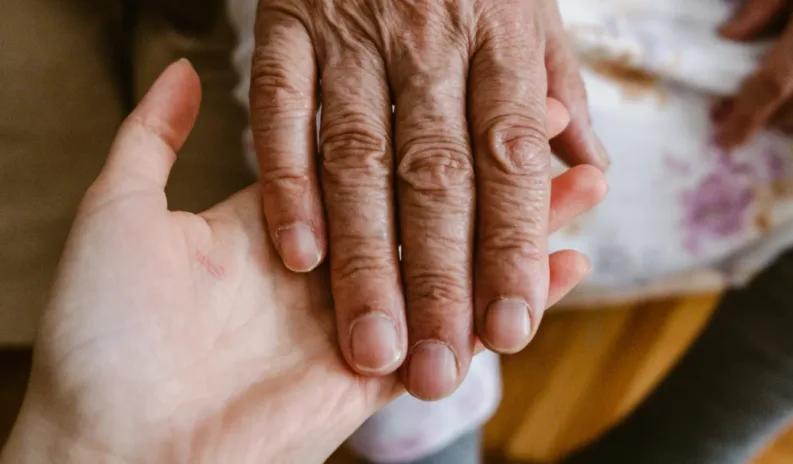
While hospital care focuses on urgent treatment and stabilisation, recovery does not stop when someone leaves hospital. In many ways, it is just beginning.
For families, one question often comes up straight away – what support is needed at home after a stroke?
The answer will be different for each person, but one thing is always true. The right support at home can make recovery safer, more comfortable and far less overwhelming.
Every stroke is different, and so is every recovery journey.
Some people recover quickly, while others need more time and support. It is common to see changes in both physical ability and confidence, especially in the first few weeks.
After a stroke, someone may experience:
These changes can make everyday tasks feel much harder than before, even simple things like getting dressed or making a cup of tea.
The first few weeks after a stroke are often the most important for recovery. This is the time when routines begin to return and confidence starts to rebuild.
Without the right support, people can find themselves struggling with:
This is where homecare can make a real difference. It provides practical help, emotional reassurance and a steady routine at a time when everything can feel unsettled.
Stroke recovery usually involves a mix of physical, practical and emotional support at home.
This includes:
Good care should support independence, not take it away.
At GoodOaks Homecare, we focus on helping people do as much as they can for themselves, with the right support there when needed.
That might mean:
This approach helps people feel more in control and more like themselves again.
After a stroke, care at home may be funded in different ways depending on individual needs. Some people may receive short-term NHS support, such as reablement care, to help them regain independence after leaving hospital.
For ongoing support, funding options can include local authority funding following a care needs and financial assessment, NHS Continuing Healthcare for more complex needs, or privately arranged homecare.
Many families choose to arrange private homecare to ensure consistent, flexible support during recovery. If you are unsure what support you are entitled to, it is worth asking for an assessment before leaving hospital or speaking to a trusted homecare provider.
Download our free Funding Guide.
Homecare offers a flexible and personalised way to support stroke recovery at home.
Whether someone needs short-term help after hospital discharge or longer-term support, professional carers can:
Recovering at home, in familiar surroundings, can also have a positive effect on emotional wellbeing.
At GoodOaks Homecare, we understand that life after a stroke can feel uncertain.
Our care professionals are trained to support people with a wide range of stroke-related needs, always with compassion, patience and respect. We work closely with families and healthcare teams to make sure care is tailored, consistent and focused on recovery.
Most importantly, we believe that people should feel safe, supported and valued in their own home.
If someone close to you is recovering after a stroke, you do not have to manage everything alone.
With the right homecare in place, recovery can feel more supported and less overwhelming.
Contact GoodOaks Homecare to find out how we can help with stroke care at home.
After a stroke, support at home may include help with personal care, mobility, medication, meals and emotional wellbeing. Many people also benefit from support with rehabilitation routines.
Recovery time varies from person to person. Some people improve within weeks, while others need support for months or longer. Early support at home can help improve recovery outcomes.
Yes, many people return home after a stroke. In most cases, some level of support is needed at first to make sure they are safe and able to recover well.
Common issues include weakness, speech difficulties, fatigue, memory problems and emotional changes. The type of care needed depends on how these affect daily life.
Not always. Some people only need a few visits each week, while others may need daily or live-in support. Care should always be tailored to the individual.
You can support a parent by helping with daily tasks, encouraging rehabilitation and making the home safer. Professional homecare can also provide expert support and give you peace of mind.
Rehabilitation is provided by healthcare professionals such as physiotherapists and speech therapists. Homecare supports everyday living and helps people follow their rehabilitation routine at home.
Homecare should ideally begin as soon as someone returns home from hospital. Early support can make recovery safer, smoother and less stressful for everyone involved.
If you are interested in homecare for yourself or a loved on, find your local branch and submit an enquiry form.