


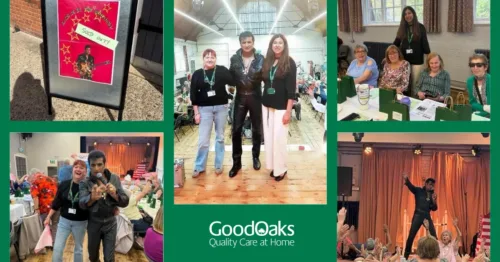
Sold out and swinging: GoodOaks’ second annual Elvis afternoon raises the roof for Age UK…
Read
Enquire now to find out more about our tailored visiting and live-in care packages for your loved one.
Enquire nowLoneliness can affect anyone, but in later life it often develops quietly and for a variety of reasons.
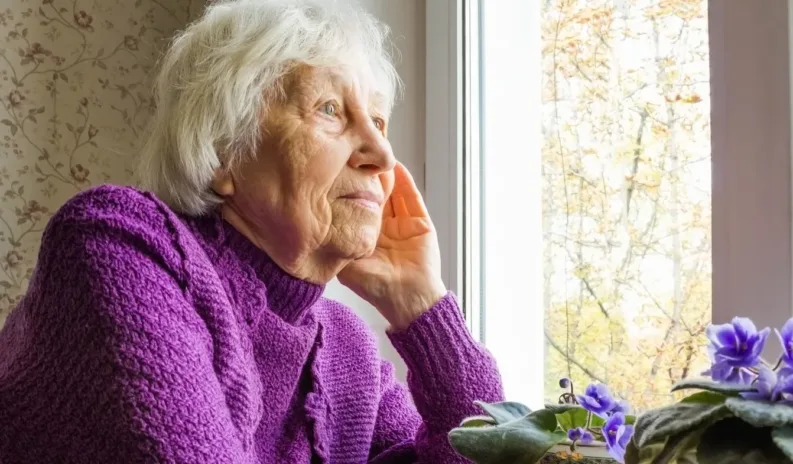
Understanding the different types of loneliness can help families recognise what is happening and, importantly, see how the right support can gently rebuild connection, confidence, and wellbeing.
Loneliness is not a personal failing. It is often linked to changes in circumstances, health, or social networks, and it can be eased with the right approach.
Many older people experience loneliness it in different ways, sometimes overlapping.
Social loneliness is linked to having fewer social connections. This might happen when friendship groups shrink, people stop driving, or regular activities become harder to access. Even those with family nearby can feel socially lonely if day to day interaction is limited.
Emotional loneliness can be felt when a close family member or trusted friend is no longer present in the same way. This might follow bereavement, children moving away, or changes in relationships over time.
Situational loneliness is often connected to life changes such as retirement, illness, reduced mobility, or a hospital stay. These transitions can disrupt routines and confidence, making it harder to stay connected.
Understanding which type of loneliness someone is experiencing can help identify the most supportive next step.
As we age, our social networks often become smaller. This is a natural part of life, but it can still feel unsettling. Reduced energy, health concerns, or caring responsibilities can all make it harder to maintain friendships and social activities.
Without regular opportunities for conversation and shared experiences, days can start to feel longer and quieter. Rebuilding social connection does not always mean busy schedules or large groups. Often, it starts with consistent, one to one support.
Many people benefit from being part of a wider community as well as having one to one support. As circles change over time, structured opportunities to meet others can help rebuild confidence and connection.
Across the GoodOaks network, many of our branches run Social Circles. These are relaxed, welcoming groups designed to bring people together for conversation, shared activities, and a sense of belonging within the local community.
Social Circles can be particularly helpful for those experiencing social or situational loneliness. They offer a gentle way to reconnect with others, without pressure, and help people feel part of something again.
Contact your local branch to find out more.
Companionship care is designed to support emotional wellbeing alongside practical needs. It focuses on building trusted relationships through regular visits and meaningful interaction.
At GoodOaks Homecare, companionship care may include conversation, shared hobbies, gentle outings, or simply knowing that someone will visit regularly. These moments help restore routine, confidence, and a sense of being valued.
For many people, companionship care becomes an important bridge between feeling isolated and feeling connected again.
For some people, companionship through visiting care provides the right level of support. Regular visits throughout the week offer reassurance, structure, and social contact, while still supporting independence at home.
For others, especially those experiencing significant loneliness alongside health or mobility needs, live-in care can offer a deeper sense of security and companionship.
Having a care professional present provides continuity, conversation, and the comfort of knowing someone is always there.
Both options can be tailored to individual needs and can evolve over time, ensuring support grows alongside changing circumstances.
Loneliness looks different for everyone. What matters most is recognising it early and responding with kindness, patience, and the right kind of support.
Whether through companionship care, visiting care, or live-in care, gentle, person centred support can help people rebuild connection, strengthen confidence, and feel more engaged with daily life.
If you are exploring care options for yourself or a loved one, the team at GoodOaks Homecare is always happy to talk through what support might feel right.
Loneliness may show up as low mood, loss of confidence, withdrawal from activities, or a sense of days feeling long or empty. If these feelings persist, it may be time to explore supportive options.
No. Companionship care focuses on emotional wellbeing and connection. It is suitable for people who are largely independent but would benefit from regular company and reassurance.
Social Circles provide group based connection within the community, while companionship care offers one to one support at home or out and about. Many people benefit from a combination of both.
Visiting care involves scheduled visits during the week and can include companionship alongside practical support. Live-in care provides continuous support and companionship, with a care professional living in the home.
Yes. Care at GoodOaks is flexible and person centred. Support can start gently and increase or adapt as circumstances change.
Contact us to speak with a member of your local team.