




Sold out and swinging: GoodOaks’ second annual Elvis afternoon raises the roof for Age UK…
Read
Enquire now to find out more about our tailored visiting and live-in care packages for your loved one.
Enquire nowLoneliness is often a silent struggle, especially for older adults. While it can have serious consequences for health and wellbeing, it's not always easy to spot - especially if you're not there every day.

At GoodOaks Homecare, we see first-hand how loneliness can affect older people – but also how compassionate, personalised care and regular companionship can make a real difference. Recognising the signs of loneliness in elderly people early can help families and care professionals provide the right support and help an older loved one feel connected, valued and cared for.
Loneliness is more than simply feeling alone. For older people, ongoing loneliness can affect emotional wellbeing, physical health and quality of life. It can contribute to:
In the UK, many older people live alone and may go for long periods without meaningful social interaction. Recognising elderly loneliness and taking steps to address it can make a significant difference.
Loneliness can affect everyone differently, so there isn’t always one obvious sign. However, there are several changes in behaviour, mood and daily routines that may indicate an older person is feeling lonely or isolated. Here are some key signs to watch for in an elderly loved one, friend, or neighbour:
1. Withdrawal from social activities
If someone suddenly stops attending clubs, church groups, or social events they once enjoyed, it could signal emotional withdrawal caused by loneliness or low mood.
2. Changes in mood or behaviour
Loneliness can affect emotional wellbeing. You may notice an older loved one becoming more withdrawn, irritable, sad, anxious or frustrated. They may also seem less interested or motivated than usual.
3. Neglecting personal care or the home
Struggling with grooming, cleanliness, or household tasks can be a sign they’re feeling overwhelmed, unmotivated, or simply don’t see the point anymore.
4. Loss of appetite or changes in eating habits
Loneliness can affect eating habits, particularly when someone is regularly eating alone. A noticeable loss of appetite, changes in eating patterns or unexplained weight loss should be taken seriously.
5. Physical complaints without clear causes
Chronic loneliness can heighten pain perception. An older person experiencing loneliness may report feeling unwell, tired or in pain more frequently, even when there isn’t an obvious explanation.
6. Excessive reliance on TV or radio
Constant background noise can sometimes be a substitute for conversation. If the TV is always on, even when no one is watching, it could be a sign they’re craving company.
7. Expressing feelings of uselessness or hopelessness
Phrases like “I don’t want to be a burden” or “There’s no point anymore” are clear emotional red flags that shouldn’t be ignored.
If you notice several of these signs of loneliness in an elderly loved one, don’t ignore them. A simple conversation, regular visits, social activities or additional companionship can be an important first step towards helping them feel less isolated.
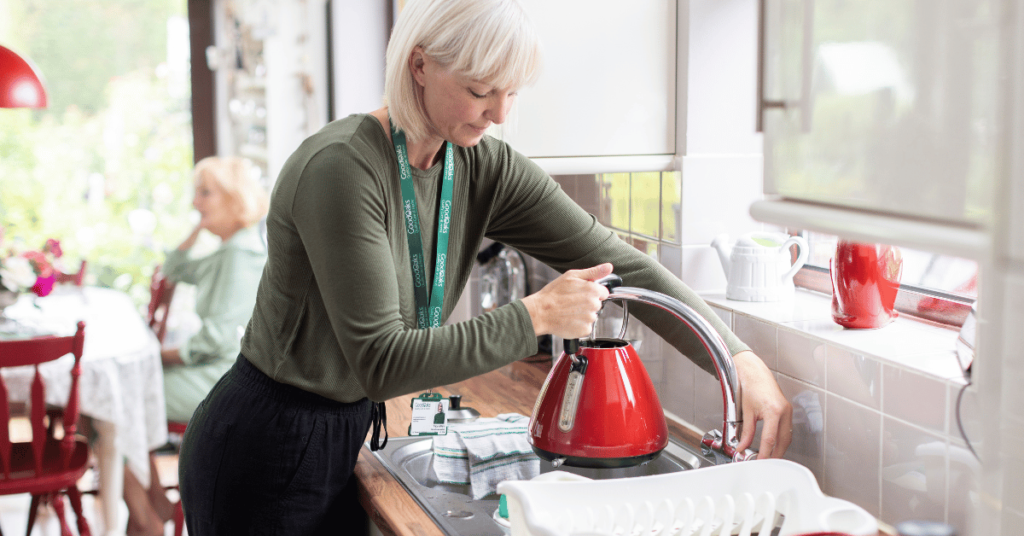
At GoodOaks, we understand that emotional wellbeing is just as important as physical health. Our approach to care focuses on building daily, meaningful connections. Whether it’s through shared activities, friendly chats, or just being a consistent, trusted presence, our companionship care brings warmth and companionship into every visit.
We also work with families to keep communication open and ensure that any signs of loneliness or mental health concerns are recognised and addressed early.
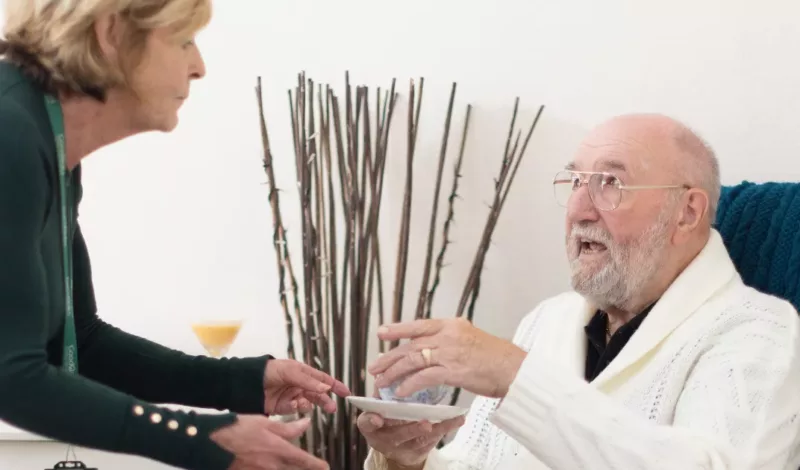
If you think someone you care about may be feeling lonely, get in touch. Sometimes, even just a few visits a week from a familiar, friendly face can make a world of difference.
Contact your local GoodOaks team today to learn how we can help bring connection and support back into daily life.